
Find Who Owns a Tazewell County Parcel
Finding who owns a property in Tazewell County comes down to two records. These records back each other up. The Commissioner of the Revenue keeps the assessment roll. It lists the owner of record and the mailing address used for the tax bill. The Circuit Court Clerk keeps the deeds, wills, and other instruments that actually move title. Names can hide behind trusts, estates, or LLCs. And a fresh deed may lag before it reaches the tax roll. So the recorded instrument is always the stronger source. To search Tazewell County property records by address, match the parcel first. Then confirm the name on the deed.
- Find the parcel in the Commissioner's assessment records or identify it on InteractiveGIS.
- Record the owner name, tax-map number, situs, and mailing address shown by the county source.
- Search the Circuit Court Clerk's land index for the most recent deed and compare the grantee and legal description.
- If the owner is an LLC, check its Virginia SCC record; for an estate, ask the clerk's probate division.
The Tazewell Owner Field Needs a Deed Check
Property transfers in Tazewell County are processed from deeds. Deeds of correction, lists of heirs, wills, and related clerk records feed the roll too, per the Commissioner. No fixed lag separates a deed's recording from its appearance on the assessment roll. So a recent sale deserves caution. The name still sitting on the roll may not be the current grantee. Assuming so can mislead. Set the assessment entry beside the recording date on the newest deed. Only then should you draw any conclusion. The Commissioner real-estate page names the office behind the assessment source.
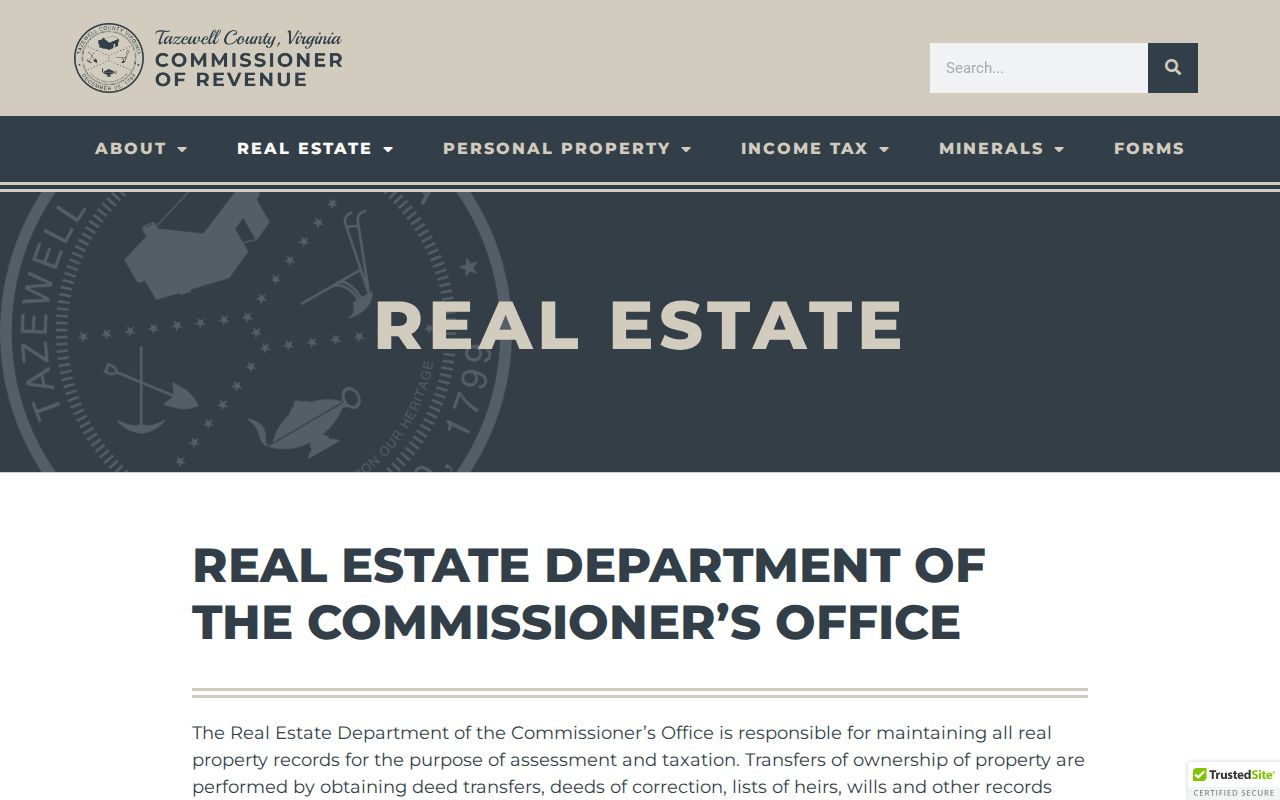
The image shows the office and its public-record role. It displays no individual owner card or update date.
Where Tazewell County Shows Ownership
Several Tazewell County sources can name an owner. Each plays a different part. The Commissioner roll serves as the assessment and tax record. The Circuit Clerk land index carries the recorded-transfer path. The GIS map links a visible lot to its tax-map label. Virginia SCC filings can clarify which people stand behind an LLC. A map label or a tax bill alone is no substitute for a title search. The county's online service does not expose every field through one public form. Expect to move between sources.
| Source | Owner Info It Gives | Access |
|---|---|---|
| Commissioner roll | Assessment owner, mailing and situs clues, values, exemptions | Public office; live card endpoint not exposed |
| Circuit Clerk land index | Recorded grantee and instrument reference | SRA, clerk terminal, copy request, historic books |
| Virginia SCC CIS | Entity name, type, address, filing and status details | Online search by entity name or ID |
| InteractiveGIS | Map location and parcel label | Public map after terms; reference only |
An owner-of-record name says nothing about who lives there. The mailing address may sit in another town entirely. A trust or an entity may hold the real interest. Use the map and assessment record to pin down the parcel. Then let the latest deed confirm the recorded transfer. The separate current owner record page walks through the present-roll check in more detail.
LLCs and Business Owners in Virginia
When a Tazewell parcel is titled to a business, Virginia SCC's Clerk's Information System answers the question. Search it by Entity Name or Entity ID. Results can include entity type, address, formation date, status, status date, and the registered agent. That explains which company name appears on the deed. It does not reveal every person holding a beneficial interest. It cannot replace the county land record.
Pull the exact entity name from the assessor entry or the deed itself, not a familiar trade name. Check the SCC ID and status. Then return to the Circuit Clerk to confirm the entity is the grantee in the recorded instrument. Tazewell County's clerk remains the custodian of the title record. The Virginia SCC entity search provides the official lookup.
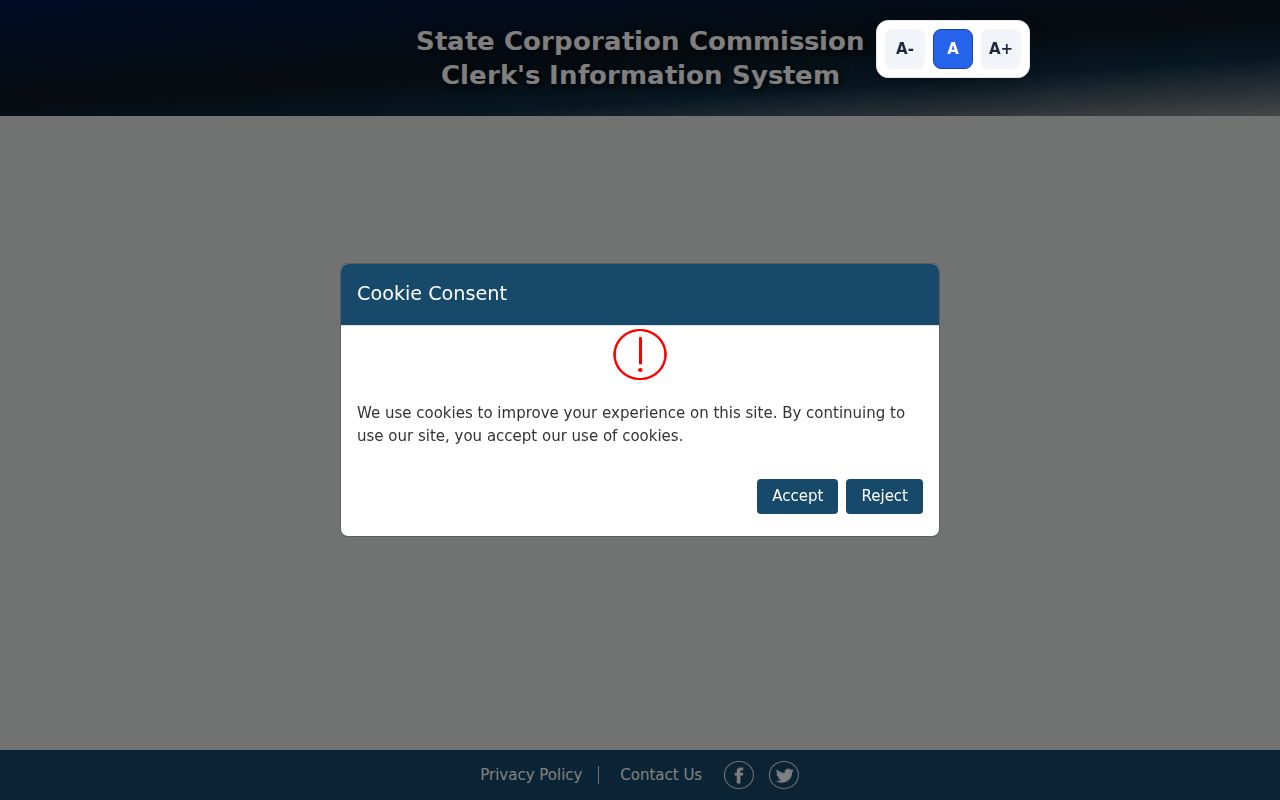
A company filing can explain the name on a deed. It cannot establish ownership of a specific parcel by itself.
Estate and Heir Transfers in Tazewell
Ownership in Tazewell County can pass through a will. It can also pass through an executor or administrator, a list of heirs, an order of sale, or a deed from heirs. The Commissioner names lists of heirs and wills among the records used to process transfers. The roll can flip to an estate or fiduciary. Then head to the Circuit Clerk's probate division. Compare the final order or deed against the land record before trusting either alone.
A will may say who was chosen to receive property. The recorded transfer or court order still makes the better parcel reference. Older Tazewell wills and related books are cataloged by the Library of Virginia. Death certificates follow Virginia's access rules and become public only after the applicable period. Never substitute a genealogical clue for the county's recorded instrument.
Mailing Address and Protected Records
The county roll may show where a tax notice goes, not where an owner lives. A post-office box works. So does an out-of-county address. Treat the situs and mailing fields carefully. They are neither proof of occupancy nor a window into private daily activity.
Virginia's Address Confidentiality Program, Safe at Home, gives eligible survivors a substitute address. That can change how a protected address appears in government records. Respect redactions and access limits. The Virginia FOIA opens public records broadly. But exemptions still cover protected personal data, sealed court material, safety addresses, and other records made confidential by law.
When GIS Helps Identify the Owner
InteractiveGIS lets a searcher match a road or a visible parcel to its tax-map label. Treat the layers as general reference. The county's own notice says recorded deeds and plats control legal acreage and ownership. One planning image displays the example parcel number 094A3A0067. But Tazewell County publishes no full parcel-number grammar, so keep the number exactly as shown. Ask the Commissioner of the Revenue to confirm it against the assessment record. Do this before you rely on it.
An address that is missing or stale is not a dead end. Orient the map with a nearby road or landmark. Then compare the legal description and town boundary shown in the recorded plat. For a block-level view, the Tazewell neighbor-parcel workflow breaks the area into surrounding parcels. GIS is a location aid. The deed remains the recorded proof of transfer.
Limits on a Tazewell Owner Lookup
A Tazewell owner lookup has real limits. It returns the name tied to a parcel in the records. It cannot show who lives inside the home. It cannot prove a person's residence. It cannot certify clear title. Entries can lag recent transfers or stay incomplete, and protected information may be withheld. Use the results for lawful property research, estate work, purchase diligence, or civic review. Confirm any important transfer with the clerk's recorded instrument.
Lawful use. Tazewell County owner information is for lawful property research and due diligence. Do not use a public record to stalk, harass, or harm anyone.